
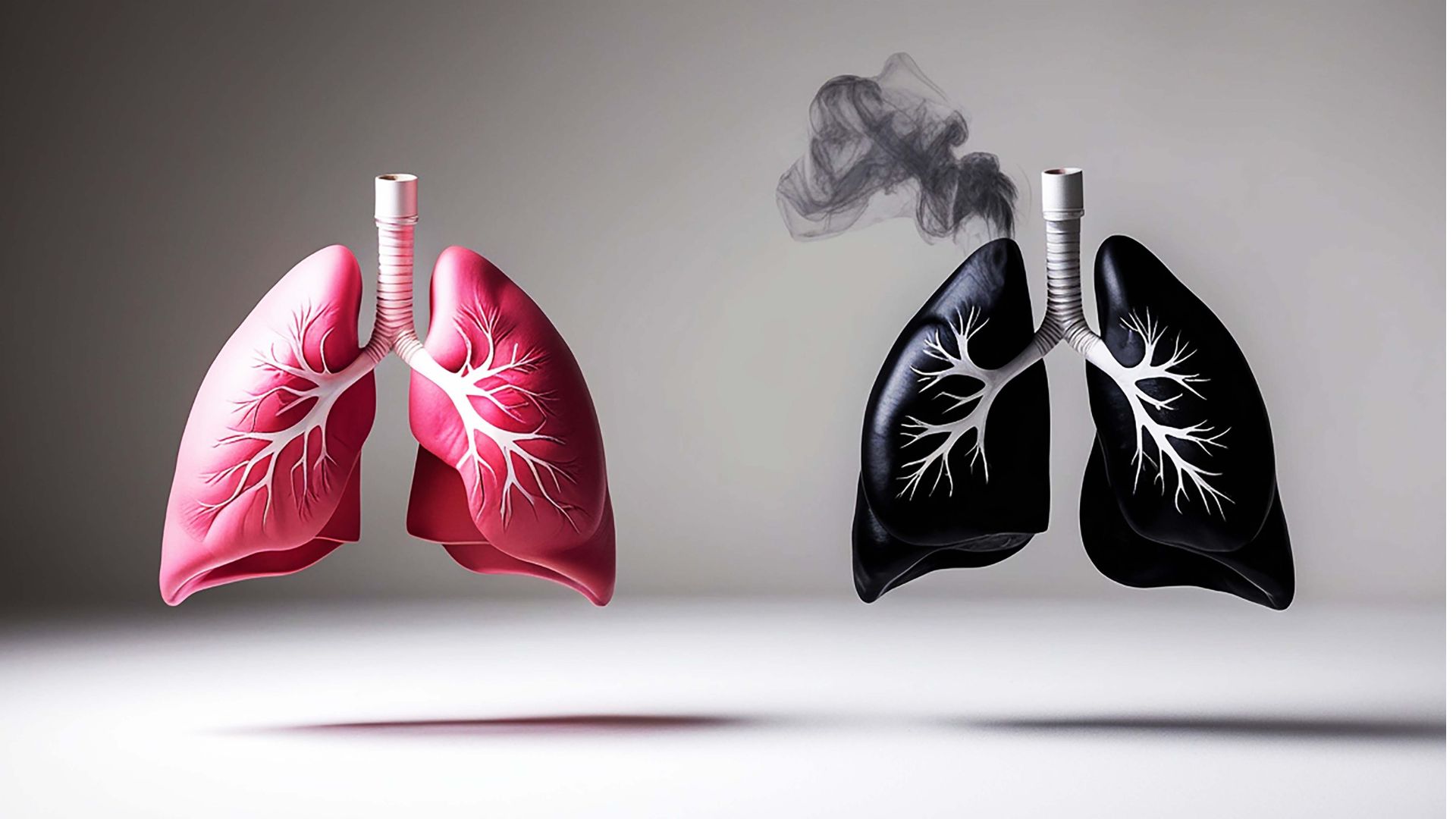
If you have been thinking about quitting smoking or vaping, you may wonder what actually happens to your body after your last cigarette or vape.
Does your breathing improve? Do your lungs begin to recover immediately? What changes happen after 24 hours, two weeks or six months?
The answer is encouraging. When you stop smoking, your body begins making positive changes relatively quickly. For people searching for stop smoking Birmingham support or professional help to quit smoking Birmingham, understanding these changes can provide an important reason to start.
However, it is important to distinguish between cigarette smoking and vaping. The two are not identical, and the recovery process is not necessarily the same.
What Happens 24 Hours After Your Last Cigarette?
One of the first important changes after stopping cigarettes involves carbon monoxide.
Carbon monoxide is a poisonous gas produced when tobacco is burned. It reduces the amount of oxygen that your blood can carry around your body.
After you stop smoking, carbon monoxide levels begin to fall rapidly.
Within the first day, your body is already beginning to adjust to life without cigarette smoke.
You may also begin experiencing nicotine withdrawal symptoms, including:
- Strong cravings
- Irritability
- Restlessness
- Difficulty concentrating
- Changes in mood
- Difficulty sleeping
These symptoms can be uncomfortable, but they are temporary for most people.
Your Lungs Begin Their Recovery
Your respiratory system has its own natural cleaning mechanisms.
Smoking damages the tiny hair-like structures called cilia, which help move mucus and particles out of the airways. As you stop smoking, these mechanisms can begin to recover.
Some people actually notice more coughing or mucus after quitting.
This does not necessarily mean that your lungs are getting worse. Your respiratory system may be clearing accumulated mucus and debris.
What Happens When You Stop Vaping?
Stopping vaping is different from stopping cigarettes.
Cigarettes burn tobacco and produce smoke containing thousands of chemicals, including carbon monoxide. Vapes do not involve tobacco combustion in the same way.
However, most vapes contain nicotine, and nicotine addiction can make stopping vaping difficult.
If you are trying to stop vaping Birmingham residents may experience cravings, irritability, restlessness, difficulty concentrating or sleep problems as their body adjusts to lower nicotine exposure.
The NHS states that vaping is less harmful than smoking, but it is not risk-free, and the long-term effects of vaping are still being researched.
For people who originally switched from cigarettes to vaping, quitting vaping can be another step towards becoming completely nicotine-free.
Two Weeks After Your Last Cigarette
Two weeks can be an important milestone when you quit smoking.
Between two and 12 weeks after stopping smoking, circulation improves and lung function begins to improve.
You may notice that everyday physical activities become easier.
Walking.
Climbing stairs.
Exercising.
Playing with your children.
Walking to work.
You may gradually find yourself becoming less breathless during physical activity.
For someone who has smoked for many years, these changes can be particularly encouraging.
Your Relationship With Smoking Also Starts to Change
There is another important change taking place.
You are beginning to break the connection between everyday situations and cigarettes.
For example, you may previously have automatically smoked:
- With your morning coffee
- After meals
- During work breaks
- While driving
- When feeling stressed
- When drinking alcohol
- When socialising
- When feeling bored
These are known as smoking triggers.
This is why smoking cessation is about more than simply removing cigarettes.
You also need to change the routines and associations surrounding smoking.
Six Months After Your Last Cigarette
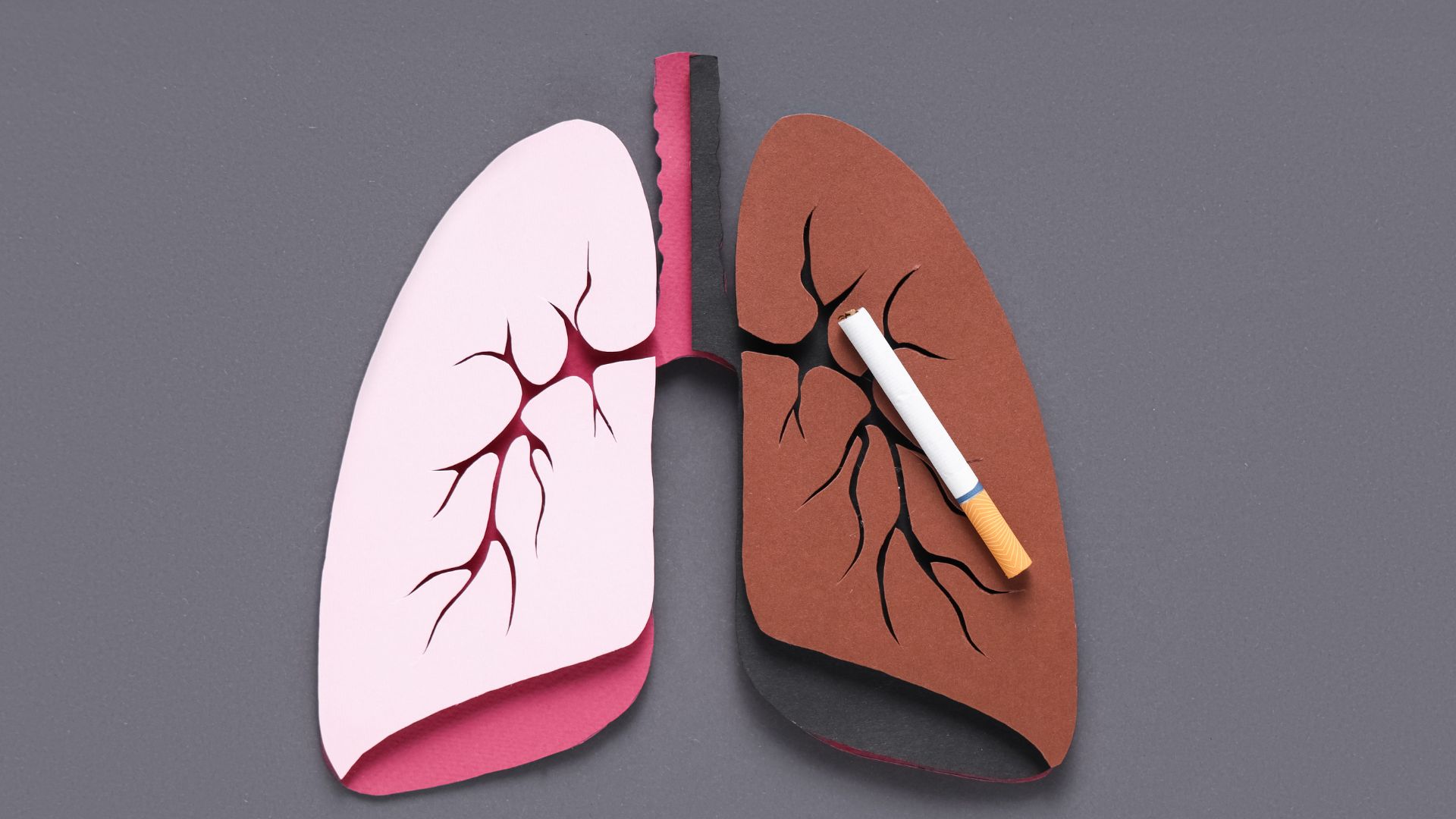
There is no single six-month “lung reset” that applies to every smoker.
Your recovery depends on factors such as how long you smoked, how much you smoked, your age, general health and whether you already have a smoking-related condition.
However, the improvements that begin during the first days and weeks continue.
Between three and nine months after stopping smoking, coughing, wheezing and breathing problems can improve as lung function increases.
For someone who has spent years smoking, six months without cigarettes can therefore represent a significant milestone.
But the benefits are not limited to your lungs.
You may also have:
- Greater physical freedom
- Fewer cravings
- More confidence
- More money
- Greater control over your daily routine
- Less dependence on nicotine
The Mental Side of Smoking Addiction
Many people looking for smoking cessation Birmingham support are surprised to discover that nicotine is only part of the challenge.
The behavioural habit can be just as powerful.
You may associate cigarettes with relaxation.
You may associate vaping with concentration.
You may associate smoking with socialising.
You may automatically reach for nicotine whenever you feel stressed.
Over time, your brain learns these associations.
This is why someone can genuinely want to quit smoking but still find themselves reaching for a cigarette almost automatically.
Breaking these learned associations can be an important part of successful quit smoking support.
Can Hypnotherapy Help You Stop Smoking?
At Stop Smoking Birmingham, Stuart Downing uses an integrative approach that can include cognitive behavioural hypnotherapy, NLP Coaching, Solution Focussed Hypnotherapy and Psychotherapy, depending on the individual’s needs.
The aim is to address the individual relationship with smoking, including habits, triggers, thought patterns and behaviours.
If you are searching for smoking hypnotherapy Birmingham, stop smoking hypnotherapy or professional nicotine addiction support, Stuart can discuss your individual situation during a confidential consultation.
Stop Smoking Birmingham Support
If you have tried to quit before and returned to cigarettes or vaping, it does not necessarily mean that you cannot quit.
It may mean that you need to address more than nicotine.
Your triggers, routines, emotional associations and automatic behaviours can all form part of the habit.
At Stop Smoking Birmingham, Stuart Downing provides confidential support from his practice in Edgbaston, Birmingham.
His wider addiction work is also available through Harley Street Addiction Specialist, which provides support for addiction-related issues including smoking and vaping.
You can find more information at:
https://stopsmokingbirmingham.co.uk
https://harleystreetaddictionspecialist.co.uk/
Your Body Can Begin Recovering After Your Last Cigarette
Whether you have smoked for six months or 30 years, stopping gives your body an opportunity to recover.
The first 24 hours can bring important changes.
The first few weeks can bring improvements in circulation and lung function.
The following months can bring further improvements in breathing and respiratory symptoms.
But quitting is not only about your lungs.
It is about changing your relationship with nicotine.
It is about breaking automatic habits.
And it is about becoming comfortable living without cigarettes or vaping.
If you are ready to quit smoking Birmingham or want professional help to stop vaping, Stuart Downing can discuss your options with you.
Contact Stuart Downing
Stop Smoking Birmingham
Quadrant Court
51-52 Calthorpe Road
Edgbaston
Birmingham
B15 1TH
Telephone: 0121 403 3163 / 07825 599340
Free 30-minute confidential consultation.
Email:
stuart@stopsmokingbirmingham.co.uk
Website:
https://stopsmokingbirmingham.co.uk
For wider addiction support, including smoking and vaping addiction: